More progress and less blog posts

We’ve continued to be busy at Piles and several months have passed since we found a moment to write a blog post.

So here’s the bit of wall repaired in July. The grass has now grown along the top, but for some reason walkers are using it as a path, so we’ll need to put something there to stop that happening. It hasn’t been damaged yet, but it will be eventually if people keep using it.
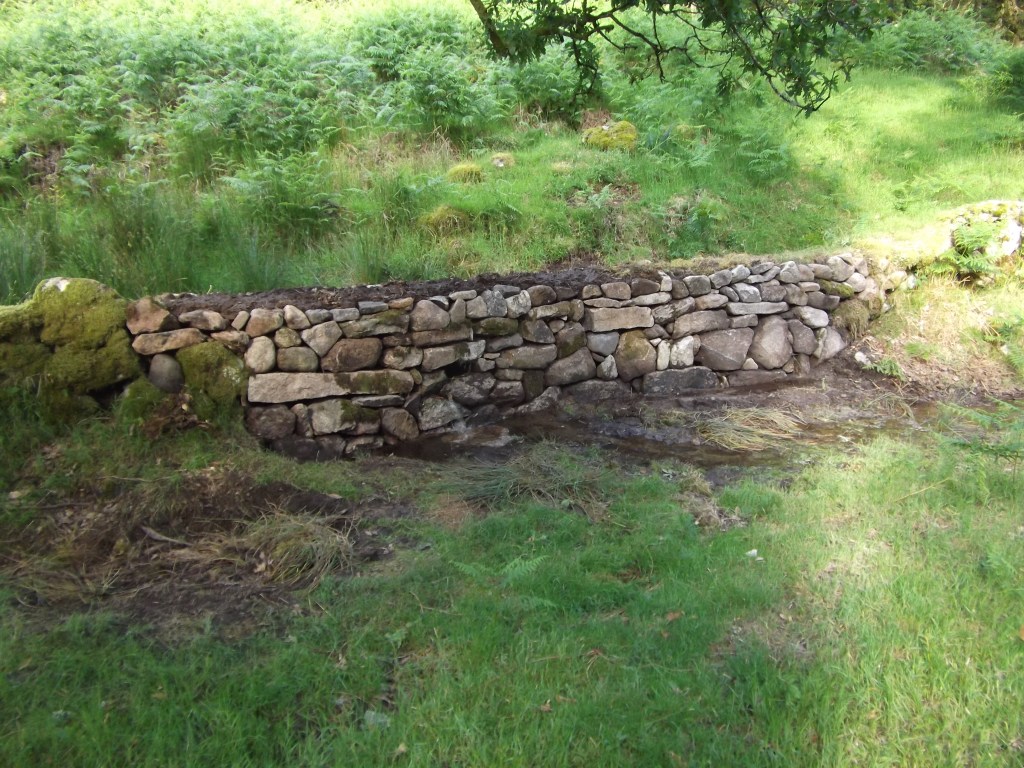
We’ve also repaired another sizeable section of wall, plus some smaller collapses, near the downstream end of the copse. This is near the ford that is sometimes used for watering by cattle on Stall Moor, which them come across the river and into the copse. This work makes the copse cattle-proof from the west. That said, there haven’t been cattle on the adjacent part of Stall Moor for some years, but that could change any time.

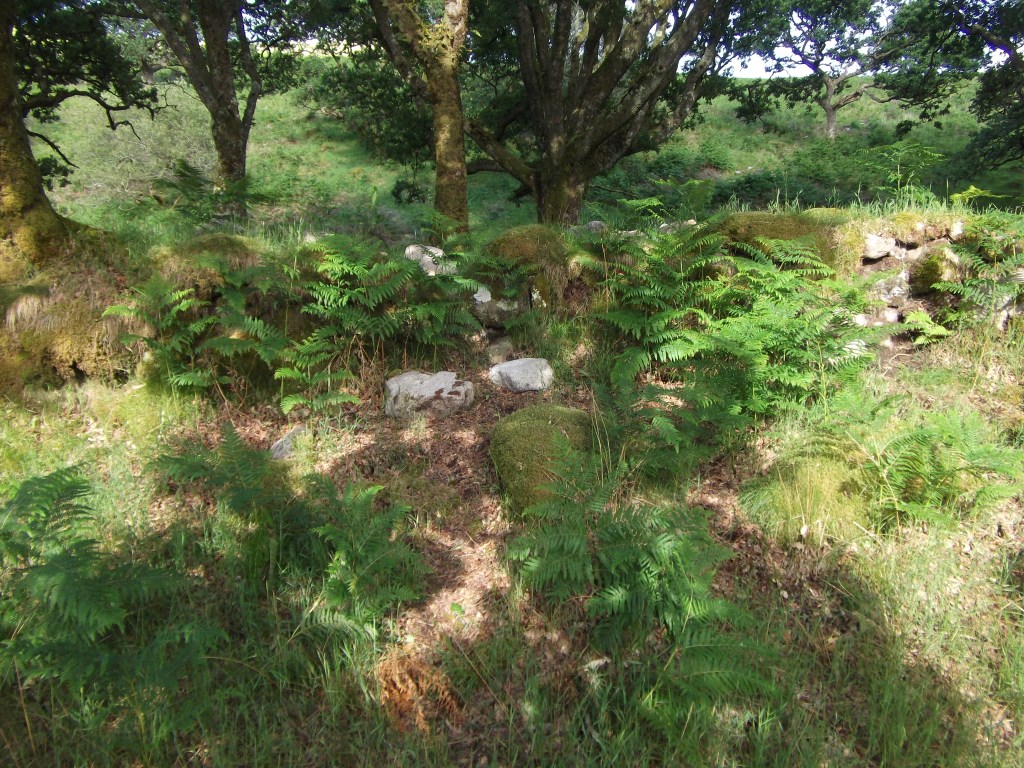
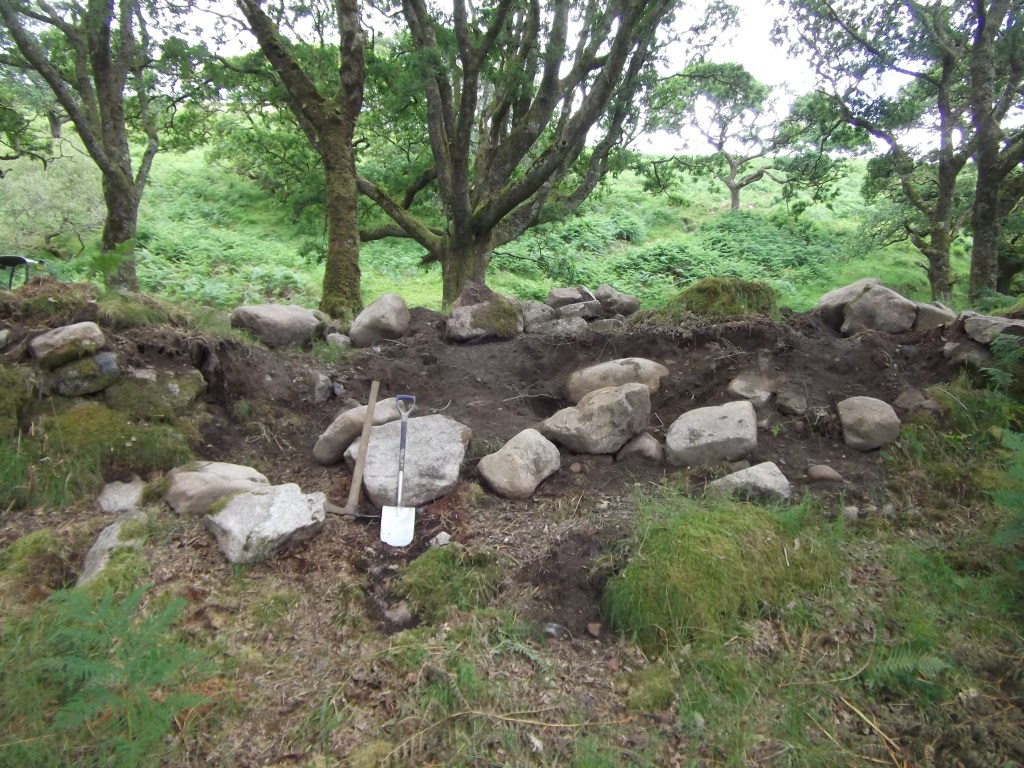
Here are before, during and after pictures of this section. We seeded grass on the backfill and on the disturbed ground in front, and that has germinated and is now growing.
Mixed results in restoration

In the even light during the rain yesterday, it was easier to photograph how the grass is growing in some of our fire place restoration sites.

DSCF6738

However, the sites that are most compacted or get full sunlight (where grass germinated but then died in the recent drought) are not doing so well.  We have started reseeding those again, hoping that we’ll get enough rain over the next month.

Really frustrating, though, is the fact that in the last week someone has had another fire, close to a “No Fires” sign, and destroyed nearly a square metre of grass.  It is hard to understand the mentality of people who think that they can damage a beautiful place and that it is someone else’s responsibility to get it looking nice again before they come again.

Worse, there are also little piles of toilet paper and wet wipes in places.  As COVID-19 remains active in faeces for some time, we are reluctant to clean these up quickly.  And, as long as COVID-19 is with us, we don’t see how we will be able to give permission for people to camp in future since we know that illegal campers are doing this (and by giving permission we are raising our legal duty of care).

Any suggestions welcome!

Restoration work starting to show success

As explained in March, we have embarked on a campaign to restore the areas of the wood damaged by fires and associated damage. We have now made some progress in repairing the walls using the rocks removed from them to make fireplaces. We have also cleaned out and reseeded a number of fireplaces, using a moorland grass mix provided by the DNPA Ranger.

Here’s a general view of one area roped off for restoration, and the rebuilt wall near it.

DSCF6695

And here’s another site. It’s a bit difficult to see with the dappled sunlight, but the grass is growing quite well despite the lack of rain.DSCF6687

All camping suspended

We are unfortunately obliged to forbid anyone to camp at Piles during the coronavirus restrictions.  This is mainly because, if you had an accident or became ill while you were there, you would cause unnecessary risk to the rescuers.

Meanwhile, the good news is that the growing season is coming, and reduced footfall will hopefully allow the ground to recover more quickly.  After a very wet autumn and winter, path and general sward damage has been exceptional.  Increased numbers of walkers when it has been very wet has led to unprecedented wear on many routes.  Also, someone rode a horse through the copse when it was very wet, leaving hoof marks depressing the turf by around 50 mm.  It will be years before these disappear.

Planning for 2018

A few days after Christmas, we went up to Piles to blow away the cobwebs and start looking at what we’re going to work on in 2018. Now that the boundary wall has been made complete again, meaning that we can control when Higher Piles is grazed, we’re also thinking about which areas of Higher Piles need to be protected completely from grazing. We walked up and down the southern end of Higher Piles looking for sphagnum moss. Sphagnum mosses are found in wet flushes (spring lines) in parts of the moor, with their own high botanic interest.  Cattle and sheep crowd round them in dry weather, so the mosses get badly damaged and rushes come in instead.  To stop this happening, we are thinking of fencing around some of the flushes in the southern part of Higher Piles.  So we did some marking and measuring to see how much fencing would be needed to do something worthwhile.  There was a lot more than we thought, though the sphagnum is dominated by grasses in many places.  There used to be huge amounts of sphagnum at Piles. The family used to collect it during the second world war for use in dressings.

As you can see, it was quite a blustery day…